
An enclosed airliner environment
Our 737-800 NG simulator project brings together a two-seat flight deck, overhead controls, an instrument panel, a centre pedestal and a cabin-style seating area. The photographs show both the complete installation and close-up views of the hardware within it.
This project is useful when considering how a physical cockpit is assembled as a coherent environment. The structure, seating, panels and controls need to work together spatially, while allowing the installation to be operated and supported. Read the airliner case study for the project photography and development context.
Two participants, one coordinated installation
The dual VR fighter simulator takes a different approach. Instead of enclosing participants within a full flight-deck shell, it combines individual control stations, three-axis motion and virtual-reality visuals. Rear display screens show the participants' virtual views for observation.
A single instructor position at the front can manage scenarios. Depending on configuration, the participants can share one simulated aircraft as a crew or occupy separate aircraft within the same virtual environment. The project includes cooperative, formation and air-combat scenarios.
Components behind the complete systems
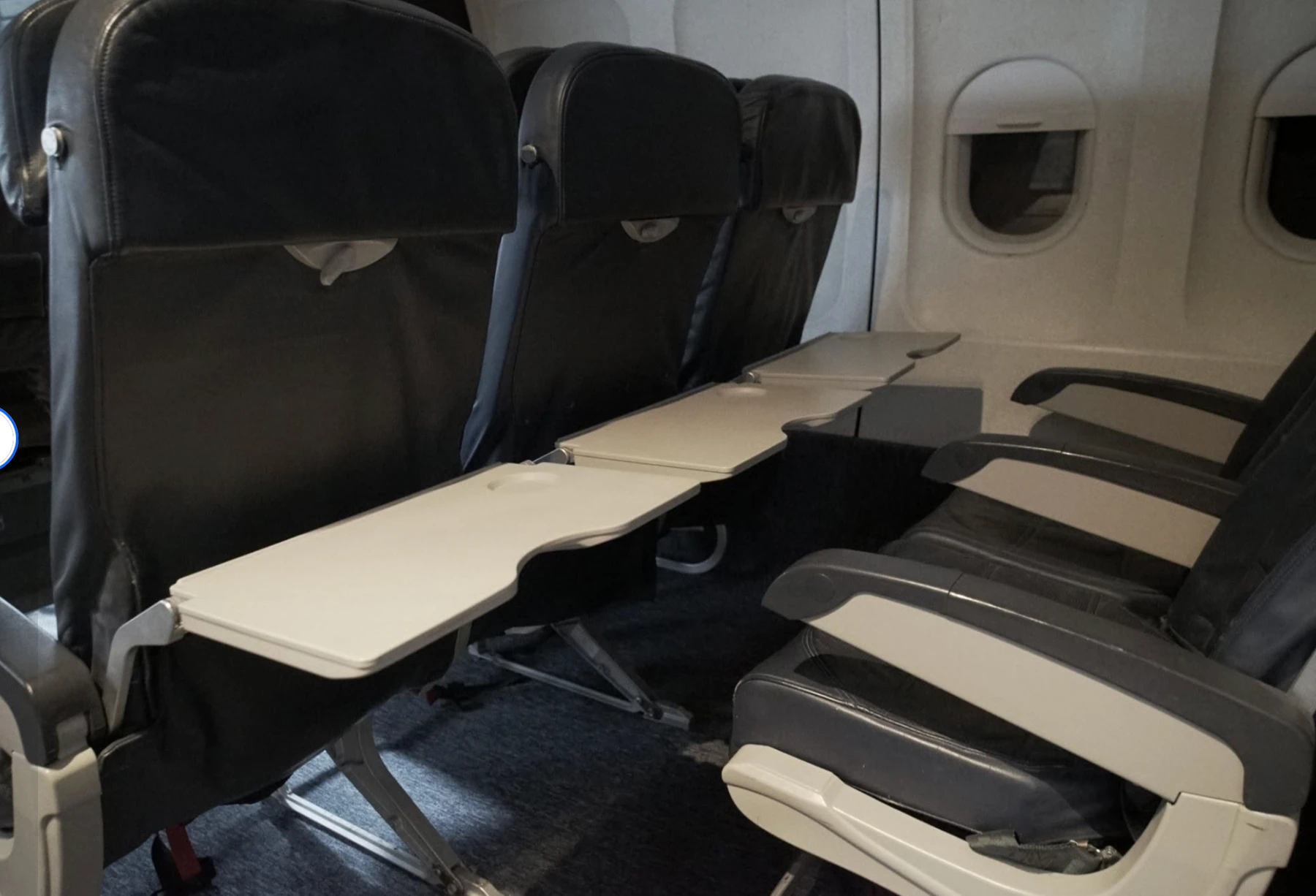
Complete installations depend on the quality and practicality of their constituent assemblies. Our development portfolio includes forward-overhead prototypes, early pedestal controls and refurbished aircraft seating. These are presented in their own project sections so that the detail is not lost within a broad simulator overview.
Some images show operational installations; others record assembly, wiring or a display test. We retain that distinction rather than presenting every photograph as a finished production unit.
Matching the equipment to the application
Commercial simulation can involve experience venues, demonstrations, research, familiarisation and other non-accredited uses. Each application places different demands on the equipment. A public-facing installation may prioritise clear access and supervision; a development platform may prioritise adjustment and direct access to components.
The intended purpose should drive the physical layout, interface choices and support requirements. We welcome enquiries that describe the experience you need to deliver, the people using the system and the practical constraints of the installation.
What this portfolio does and does not establish
These project pages describe work supplied by Red Cosmos Aviation for this portfolio. They do not imply that every visible third-party component was manufactured by us, nor that all pictured configurations are currently stocked products. Seats, motion hardware and controls can be integrated with our development work to form a complete installation.
The simulators shown are non-accredited. Motion and fan-driven airflow features described in the VR case study relate to that installation; they are not a claim that the 737 simulator has the same functions. Contact us to discuss the scope and specification of a new project.