
Reuse within the development process
Prototype work can involve repeated changes to a structure or assembly. Where a material or component remains suitable, retaining it for the next iteration can help the development budget go further and avoid discarding useful items.
Our approach includes recycling and internal reuse of suitable prototyping materials. Reuse must remain appropriate to the job: a component that is useful for a layout mock-up is not automatically suitable for a finished assembly with different demands.
Choose materials for the stage
Early prototypes do not always need production-grade finishes or expensive stock. Lower-cost, workable materials can make it easier to explore an idea and revise it. The important distinction is between what the prototype is intended to demonstrate and what a production item will eventually need to withstand.
This staged approach allows geometry and assembly decisions to be explored before more resources are committed. Material requirements should then be reconsidered when moving into the production phase, rather than treating an economical prototype as proof of final durability.
Retain value in existing hardware
Our aircraft-seat project provides a concrete example: seats removed from an aircraft were repurposed for simulator use and reupholstered by our in-house team. The existing hardware remained central to the new application.
This is a specific account of reuse, not a claim that every reclaimed component is suitable for every project. Condition, fit and the intended non-flying application still matter. We describe the work that occurred without assigning an unmeasured environmental benefit.
Design for access and repair
A product that is difficult to service can encourage replacement of more hardware than the original fault requires. Accessible modules and considered wiring layouts are therefore useful development goals as well as practical maintenance concerns.
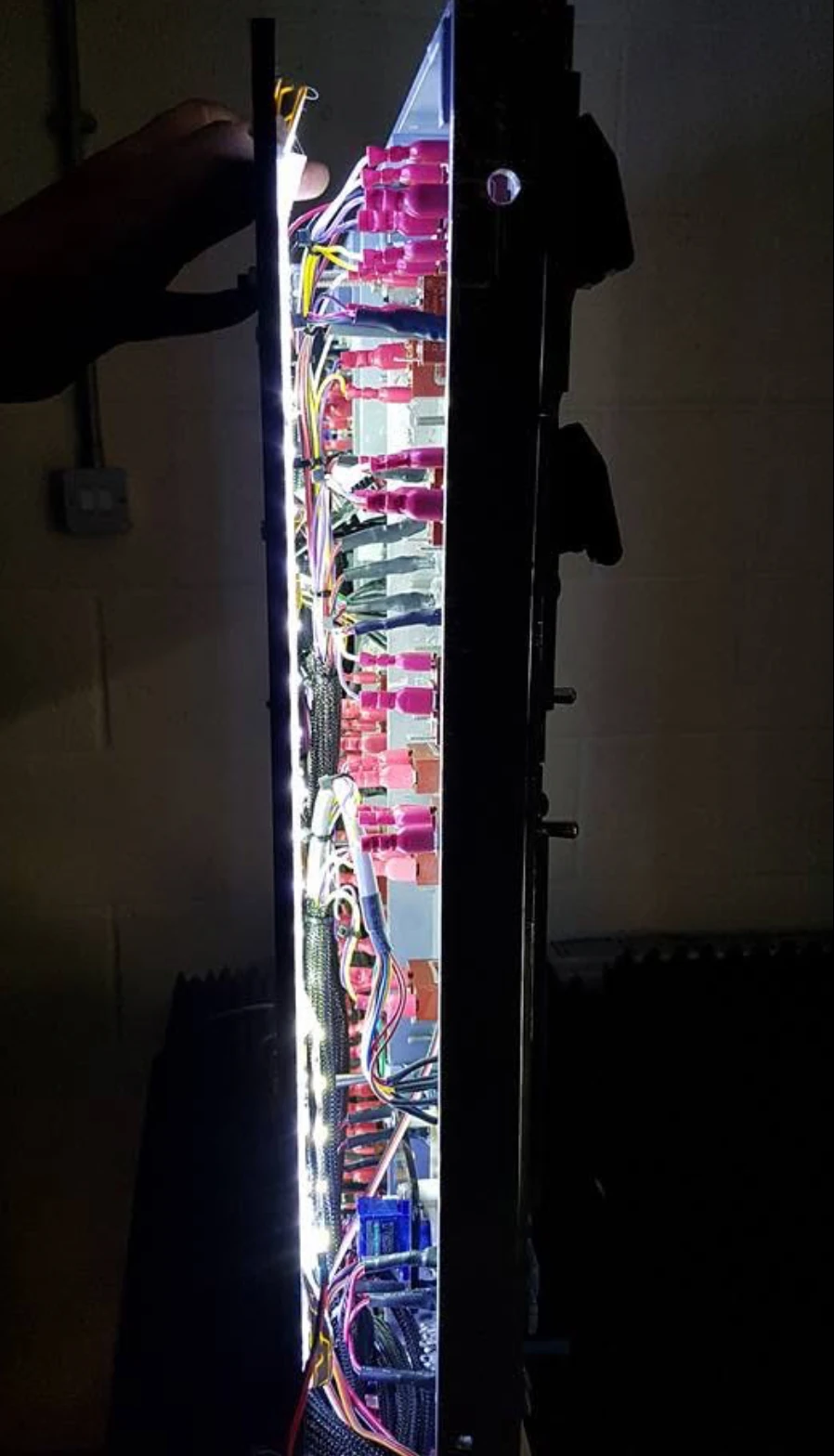
The forward-overhead concept explores this through the location of its supporting electronics. Its aim is to allow service work without disturbing the surrounding simulator. That intent needs to be assessed against the actual assembly and does not remove the need for diagnosis or safe servicing.
Avoid broad environmental promises
Terms such as sustainable can conceal very different activities. On this site, the practical focus is material reuse in prototyping, repurposed hardware and consideration of repair. We do not claim that our products are carbon-neutral, zero-waste or environmentally superior to every alternative.
If a project requires evidence about materials, retained components or a particular environmental objective, that requirement should be identified early. Any formal comparison or quantified saving needs a clear scope and supporting records.
Resource efficiency and affordability together
For a specialist SME, careful use of materials and development time is part of working responsibly. A reusable mock-up or a suitable retained component can be valuable because it allows effort to be focused on the technical question rather than on replacing everything around it.
We welcome discussions about how existing assets might contribute to a new simulator project. The objective is a workable, maintainable result, not reuse at the expense of suitability.